Unwinding the Twisty World of Educational Research
TwistED: Research Made Practical for Parents and Educators.
Every learner is different, but some have a truly unique mix of high ability and learning differences. TwistED is a doctoral-led project that bridges the gap between complex academic research and the people who need it most.
Our focus is research-to-practice translation—we don’t just explain the science, we show you how to use it at home and in the classroom.
Doctoral-Led Research
A Bridge Between Research and Practice
We take difficult academic studies—usually hidden behind paywalls—and turn them into easy, actionable steps for parents and educators of multi-exceptional learners.

What We’re About
Research That Actually Helps
Most educational models focus on fixing what is perceived as wrong with a student. At TwistED, we look at the whole child—using their strengths to help them through their challenges—building resilience and confidence along the way.
Learners who have high ability along with neurodiverse needs—such as ADHD, autism, dyslexia, or sensory processing differences—are called “twice-exceptional” (2e) or “multi-exceptional” (Mx). They balance high potential in some areas with specific support needs in others, and are often misunderstood or overlooked in traditional classrooms.
Research-to-Practice translation is at the heart of TwistED. We take difficult academic studies—usually hidden behind paywalls—and turn them into easy, practical steps for the people who need them most. We don’t just tell you what the science says; we show you how to use it at home and in the classroom.
The “whole child” approach means looking at every aspect of a student—their strengths, their challenges, their emotional needs, and their environment—rather than focusing only on academic performance or behavior. By understanding the whole child, we can stop trying to “fix” students and start helping them thrive in environments where their strengths are celebrated and their challenges are supported without shame.
We prefer “high ability” because “gifted” can feel like a fixed label—a status you either have or you don’t. High ability focuses on potential. It suggests that ability is something that can be developed and nurtured. With the right environment and the right scaffolding, every high-ability child has the capacity to achieve excellence.
Our Mission
Bridging the Translation Gap
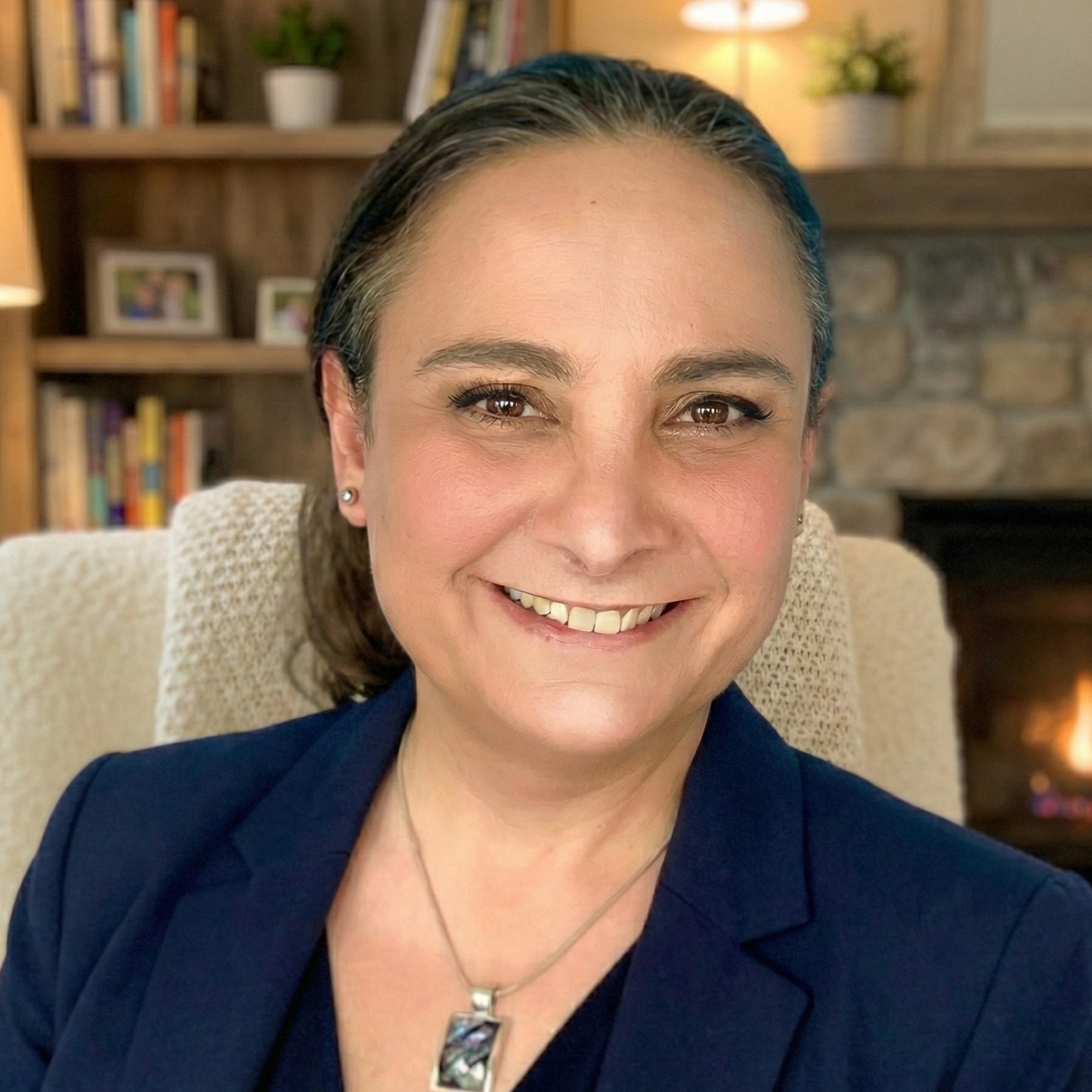
I started TwistED because I saw a major problem in our field: the translation gap. There is incredible research happening in universities, but it rarely makes it into the hands of the parents and teachers who need it most.
This website is my first step in creating a world where neurodiverse excellence is the standard, not the exception. By bridging the gap between research and daily practice, we can change the educational landscape for the Mx community.